
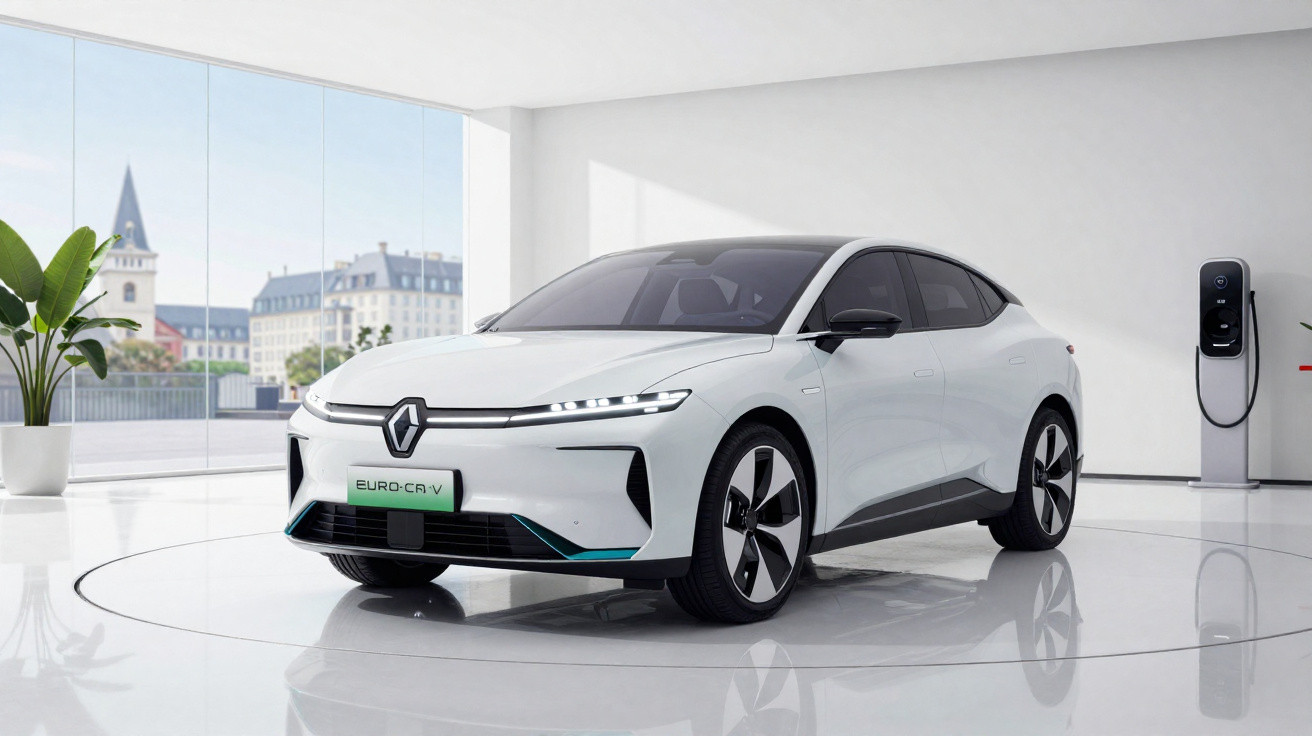
The prospect of Renault Group building Chinese cars in Europe is no longer entirely out of the question. Although it maintains that it does not need to open its factories to Chinese manufacturers, the group’s chief executive, François Provost, told Autocar that it could do so if the arrangement delivered clear benefits.
This stance comes as several European carmakers pursue exactly this type of collaboration. With underused factories and margins under pressure, groups including Stellantis and Ford are turning to Chinese manufacturers to raise production-line utilisation.
The French group, however, is in a different position. Having reported strong first-half results - with both revenue and profits rising - Renault says its manufacturing sites are operating close to a profitable utilisation rate of around 80%. That removes the need to seek extra output simply to fill spare capacity. By comparison, the European industry average is about 55%.
Renault Group is in no rush
This position gives Renault Group greater comfort in negotiations. While leaving the door “half open” to Chinese manufacturers, François Provost stressed that the company is “not in a hurry”.
Rather than taking on contracts purely to boost production volumes, the French group wants any partnership to provide tangible gains. These could include access to new technology, greater industrial scale or a stronger European supplier chain.
Chinese cars in Europe must support local suppliers
One of Provost’s key conditions is that Chinese manufacturers should buy parts from European suppliers, rather than merely assembling cars in Europe using imported components. According to the executive, component makers generate roughly 95% of a car’s added value.
The European Union also wants to ensure that foreign investment creates more value on the continent. Brussels has put forward legislation setting additional conditions for major investments from third countries in strategic sectors, including electric cars and batteries.
The proposed requirements include job creation, the use of locally produced components, and the transfer of technology and expertise. The proposal must still be approved by the European Parliament and the Council before it can take effect.
Renault’s existing manufacturing partnerships
Building vehicles for other brands is not new to Renault. The group already produces cars for partners such as Nissan and Mitsubishi, an activity that helped increase revenue in the first half. It also shares Horse Powertrain with Geely and uses Chinese suppliers and development centres to cut the costs and development times of new models.
For now, no project has been confirmed. François Provost did not name any possible partners or disclose which group factories could host this production.


Comments
No comments yet. Be the first to comment!
Leave a Comment