
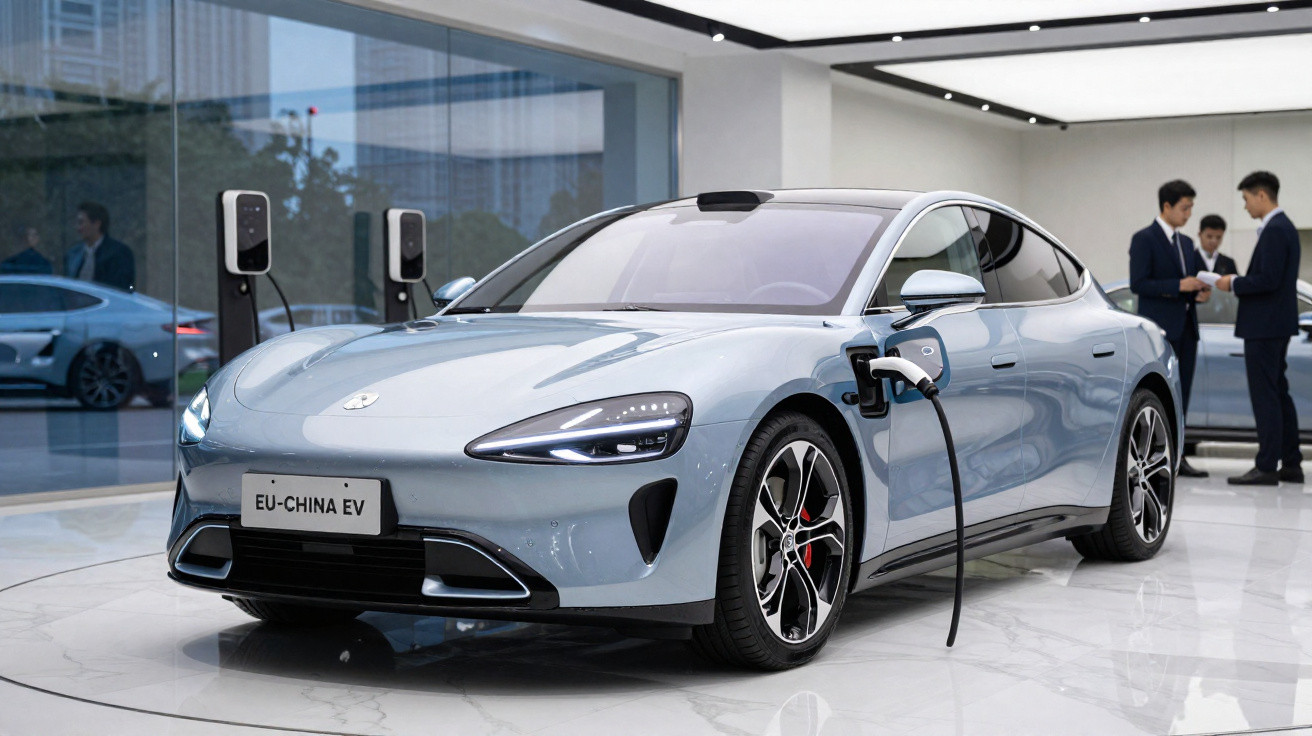
Negotiations between the European Commission (EC) and the Chinese government over the terms for accessing and selling Chinese-made electric cars on the European market are continuing. At issue is the alleged support provided by Beijing to China’s automotive industry, enabling its manufacturers to set prices below market levels.
Against this backdrop, the European Commission has issued guidance explaining how Chinese electric vehicle manufacturers can avoid the anti-subsidy tariffs in force since October 2024. Instead of paying customs duties, they may submit minimum import price commitments (price undertakings) as a direct alternative.
Minimum import price commitments for Chinese electric cars
In effect, Brussels is prepared to replace tariffs - ranging from 7.8% to 35.3% - with a formal undertaking from Chinese brands to sell their electric vehicles above a specified minimum price. According to the EC, this threshold must be sufficient to offset the impact of the state subsidies identified during the European investigation.
The newly released document sets out exactly what these commitments must include. Every proposal must state the minimum import price, the models covered, annual sales volumes, distribution channels and safeguards preventing cross-compensation between products or markets. Where they contain pledges for future investment in the European Union (EU), these must be clearly defined, verifiable and subject to ongoing monitoring.
To gain approval, the commitments must be enforceable and effectively remove the harmful effects of subsidisation. The European Commission stresses that every proposal will be assessed according to the “same legal criteria, in an objective, non-discriminatory process and in line with World Trade Organization rules”. The full document is available through this link.
Criteria for the minimum import price
From a technical perspective, the minimum price may be calculated using historic marketing costs - export prices plus tariffs already imposed - or by referring to the prices of comparable unsubsidised electric cars in the EU, with costs and profits added.
The relevant figure will always be the price paid by the first independent customer in the EU, such as a private buyer. If intermediaries linked to the company are involved, the price may need to be adjusted to ensure it remains fair. To limit the risk of cross-compensation, companies may also set annual export caps or give the offer a fixed expiry date.
This clarification follows the conclusion of the anti-subsidy investigation into electric vehicles imported from China on 29 October 2024, which led to definitive tariffs being imposed.
The China Chamber of Commerce responded positively. In a post on the social media platform X, the organisation said that this outcome “will significantly strengthen market confidence and provide a more stable and predictable environment for Chinese electric vehicle manufacturers and supply chain companies operating in Europe”, while also highlighting the potential for deeper cooperation between China and the EU.
Monitoring and enforcement of commitments
The Commission nevertheless issued a warning: failure to comply with the commitments could result in their withdrawal and the retroactive collection of tariffs, “in all cases, decision-making involves a vote by the Member States”.
External audits and detailed records tracking every vehicle, price and sales incentive may be required to ensure compliance. This would allow the EU to monitor the arrangement transparently.

Comments
No comments yet. Be the first to comment!
Leave a Comment