
The Renault-Nissan alliance is no stranger to us. Established in 1999, it has produced countless models that, while retaining clearly separate identities, have been developed jointly and share engines, platforms and technology.
This approach has proved successful and looks set to continue. Renault has already introduced the R5, R4 and Twingo, while Nissan is following its own route. Last year brought the new Micra, which uses the Renault 5’s AmpR Small platform, batteries and electric motors.
Nissan Wave: a new affordable electric car
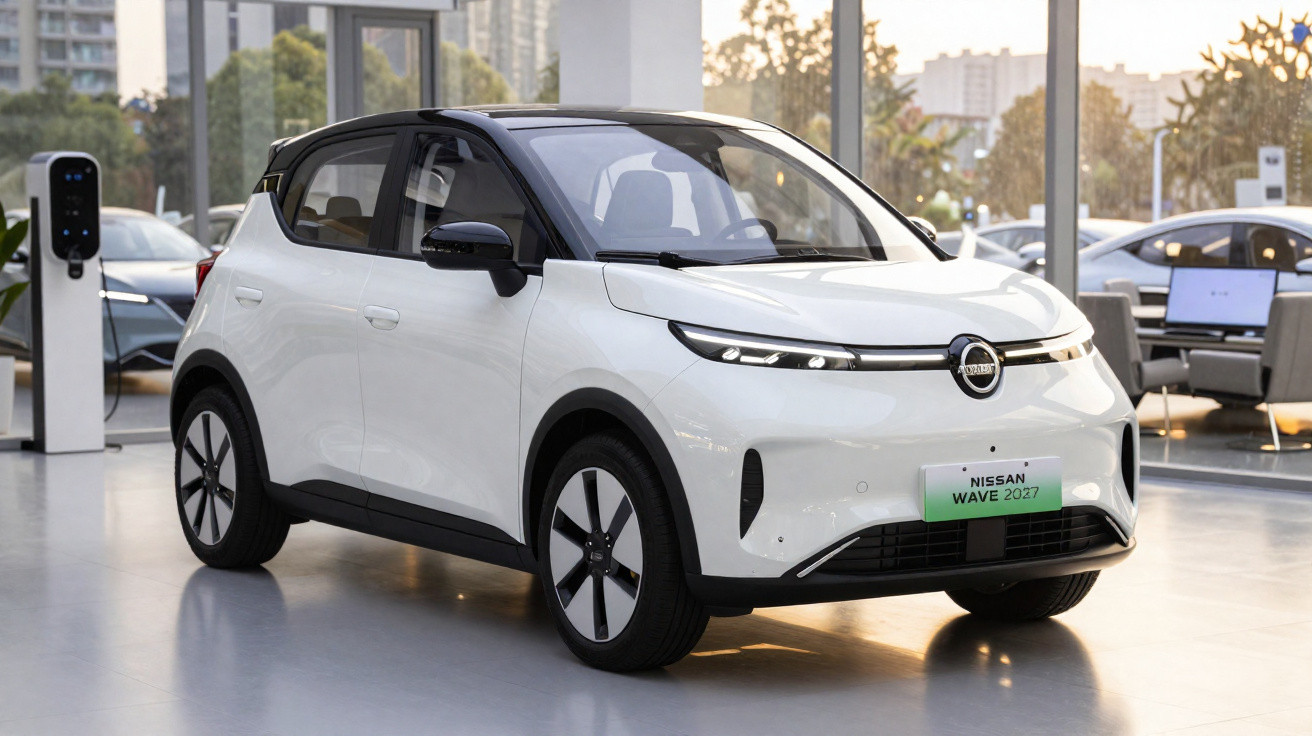
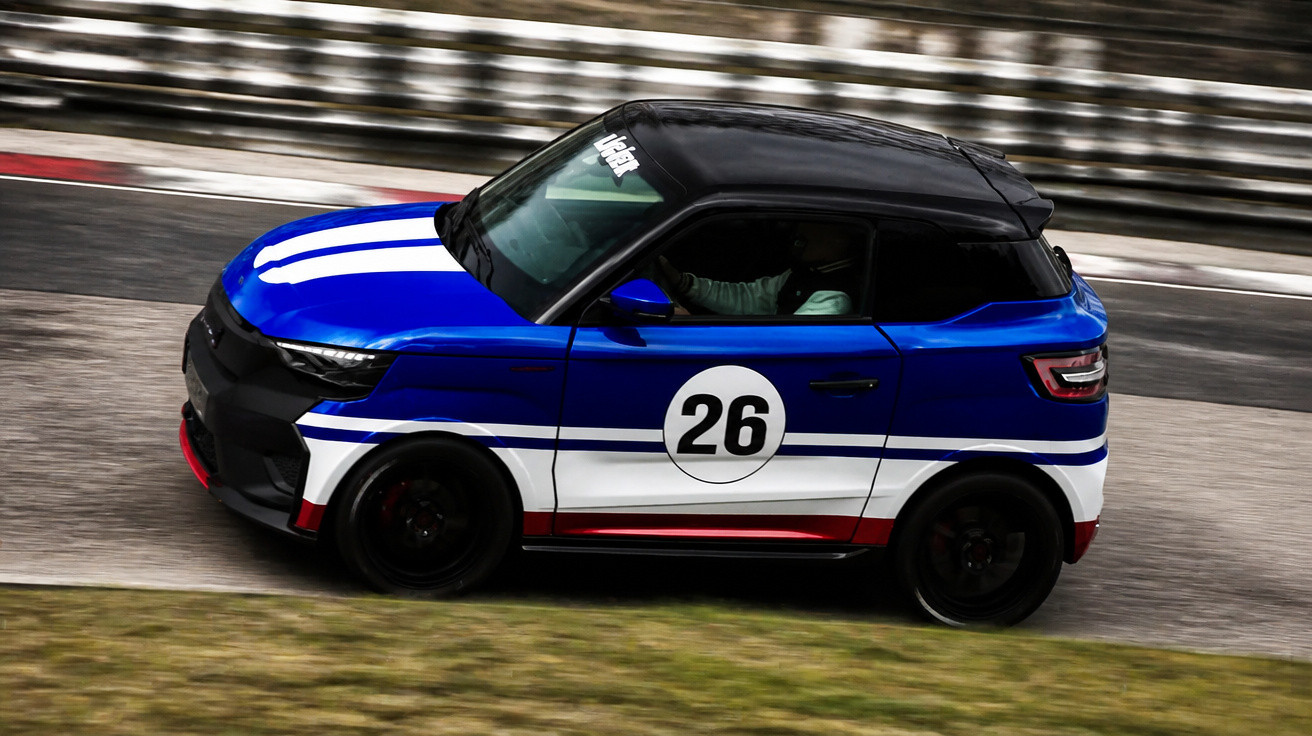
Next year, the Nissan Wave will take its turn. The name may not immediately mean much, but it is closely related to a model we already know well: the Renault Twingo. A look at the prototypes we “caught” makes their connection obvious.
A Twingo without Renault badges
Nissan had already signalled the arrival of this model at the beginning of the year, when it announced a new entry-level electric vehicle positioned below the Micra. Now it has appeared.
Beneath the heavy camouflage, the prototypes are instantly recognisable as the new Renault Twingo. However, Nissan badges, rather than Renault’s diamond emblem, will feature at both ends.
In styling terms, the forthcoming Nissan Wave will be as closely related to the Renault Twingo as the Micra is to the R5. The key distinctions should be found in the front and rear light units and the bumpers, which are expected to adopt the Japanese brand’s design language.
The Wave replaces its French cousin’s more rounded light signature with square C-shaped elements, similar to those on the new Nissan Leaf. These are incorporated into what appears to be a more “conventional”-shaped bonnet.
At the rear, the lamps will also receive their own design, while the bumpers dispense with the protruding elements seen on the Renault Twingo for a cleaner, simpler appearance.
Interior technology and materials
What little can be seen of the cabin suggests it will use the same solutions as the French model. As this is a car primarily intended to be affordable, harder plastics are expected to feature prominently.
In technology terms, it is expected to retain the Twingo’s two-screen arrangement: a 7-inch display for the instrument cluster and a slightly larger 10-inch multimedia screen.
More than 260 km of range
The same strategy should continue beneath the bodywork, with the Nissan Wave expected to use the Twingo’s powertrain. That means a 60 kW (82 hp) electric motor producing 175 Nm of torque, supplied by a 27.5 kWh LFP battery.
In real-world terms, these figures should deliver the same 130 km/h top speed and a range that, at least for the Twingo, is rated at 263 km (WLTP).
The Nissan Wave is scheduled to reach the market in 2027, although its price remains unknown for now. For comparison, the Renault Twingo is available from €19,490.

Comments
No comments yet. Be the first to comment!
Leave a Comment