
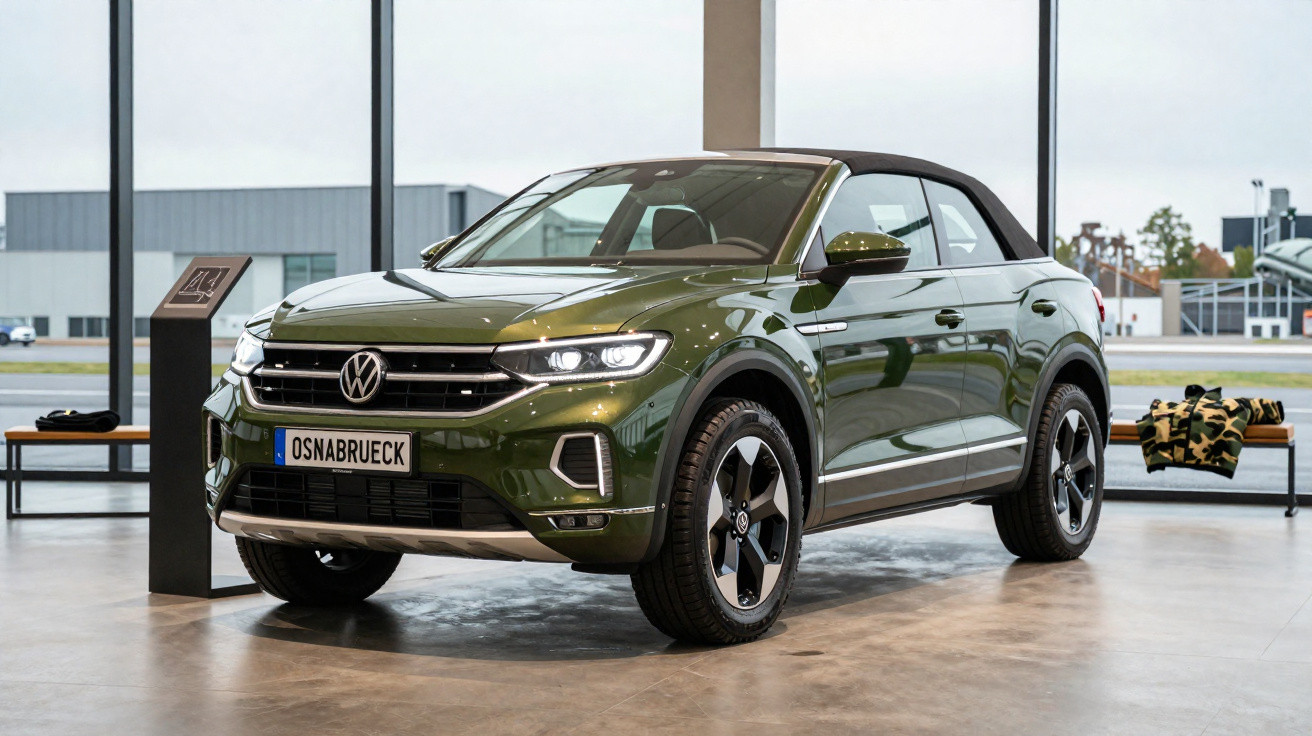
In May, when we reported that Volkswagen’s Osnabrück plant might replace T-Roc Cabrio production with military equipment, the proposal was still far from being a done deal.
Israel’s Rafael Advanced Defense Systems had expressed an interest in the German site, and talks were progressing, but that interest still had to be turned into a formal agreement.
A significant hurdle then emerged: the Qatar Investment Authority (QIA), one of Volkswagen’s largest shareholders, objected to the prospect of a direct partnership with Rafael.
The QIA is a sovereign wealth fund that owns more than 10% of Volkswagen, controls roughly 17% of its voting rights and holds two seats on its supervisory board. However, its shareholding is not sufficient to block the deal on its own.
Now, Automotive News reports, citing Bloomberg, that a way may have been found to break the deadlock and secure a new future for the Osnabrück factory. The site is expected to lose its car production once T-Roc Cabrio manufacturing ends in 2027.
A way around Qatar’s objection
One option being considered would see Volkswagen transfer part of the Osnabrück factory into the ownership of Lower Saxony. The German state could then establish a joint venture with Rafael to develop the new line of business.
This arrangement would remove Volkswagen from a direct partnership with the Israeli company, thereby addressing the Qatari sovereign fund’s main objection.
That does not mean the issue has been settled, however. Although the QIA cannot stop the transaction by itself, it remains a major shareholder and can exert influence over decisions of this scale.
Lower Saxony’s interest in Osnabrück
Lower Saxony also wants the project to proceed. The state controls 20% of Volkswagen’s voting rights and, above all, stands to benefit greatly from preserving industrial activity in Osnabrück.
The factory currently employs around 2300 people. Without a replacement product or partner, it would continue to generate costs for staff, upkeep, energy and infrastructure even after it stops building cars.
From cars to military equipment at Volkswagen Osnabrück
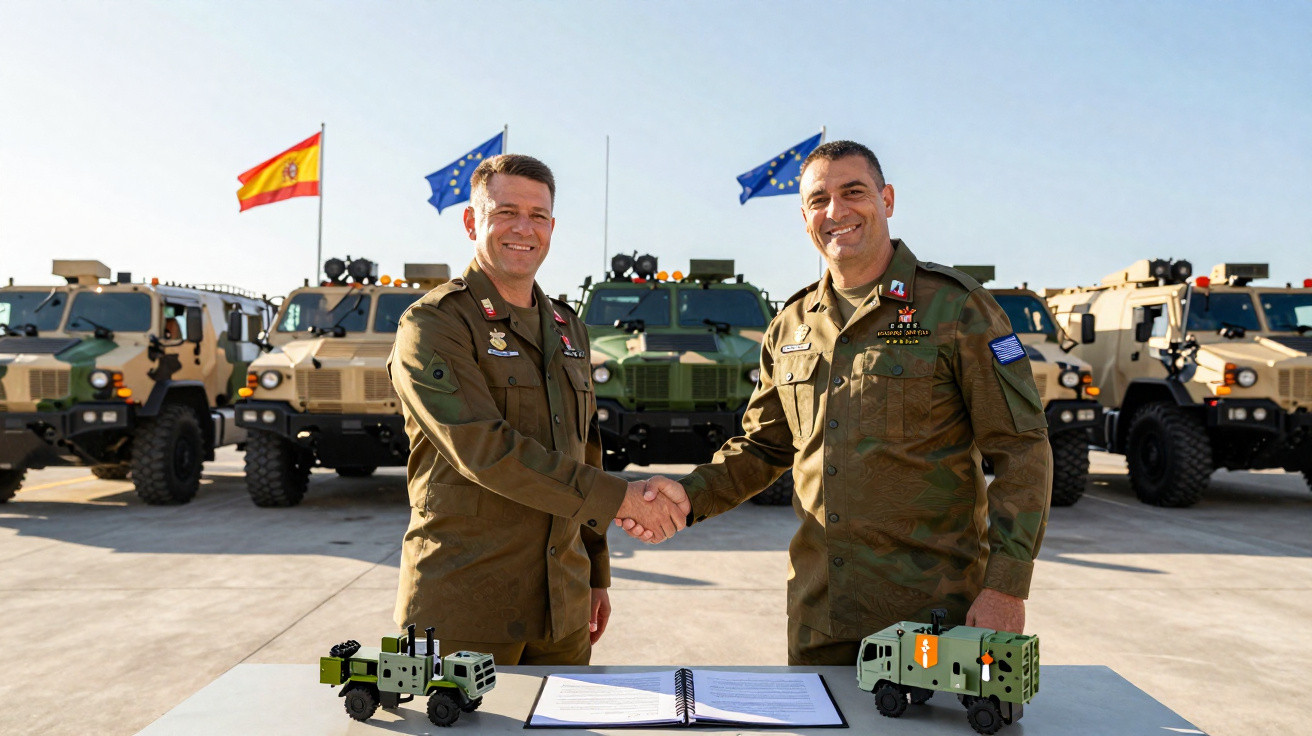
The proposal is not intended to turn Volkswagen into a weapons manufacturer. Instead, Osnabrück would build support equipment for the Iron Dome air-defence system developed by Rafael.
The equipment under consideration includes heavy vehicles for transporting missiles, launchers and power generators. The interceptor missiles themselves would not be made at the Volkswagen factory.
For Volkswagen, the priority is primarily to find a new role for an industrial facility that is about to lose its original purpose.
Oliver Blume, chief executive of the Volkswagen Group, has already argued in favour of finding partners and alternative uses for factories where competitive vehicle production cannot be maintained.
If the plan goes ahead, Osnabrück could become an example of how the group intends to address surplus industrial capacity.
For the moment, no agreement has been reached. Discussions are continuing; Volkswagen and Rafael have not commented on the developments, while Lower Saxony has only confirmed that it is assessing ways to take part in a possible solution.
Comments
No comments yet. Be the first to comment!
Leave a Comment