
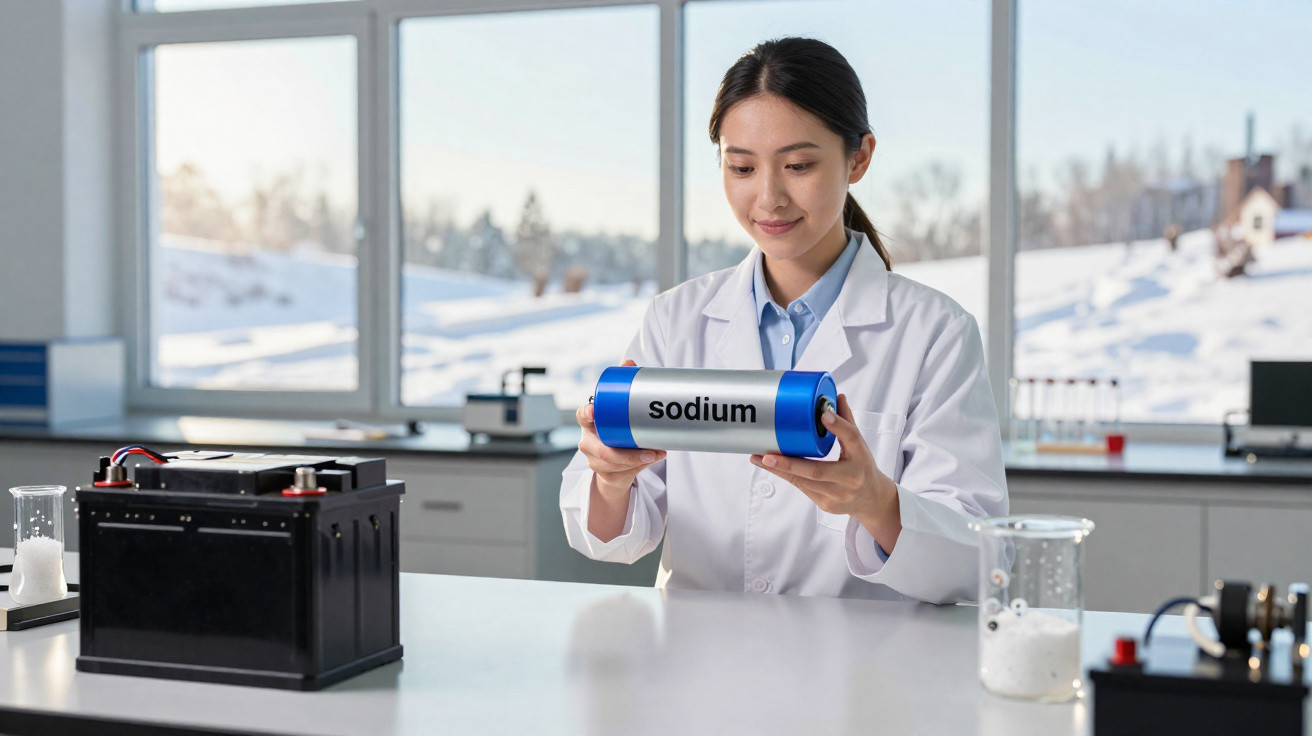
The prospect of electric cars costing as little as, or less than, combustion-engined vehicles has moved closer with the unveiling of the world’s first mass-produced sodium-ion battery.
Called Naxtra, it was one of three innovations recently presented by Chinese battery giant CATL at its Super Tech Day event. Alongside the sodium-ion battery, the company introduced two further battery technologies: Freevoy Dual-Power, effectively a battery within a battery, and Shenxing, which supports ultra-fast charging.
CATL Naxtra sodium-ion battery challenges lithium-ion technology
CATL says its sodium-ion battery can offer a genuine alternative to lithium-ion packs, particularly those using LFP (lithium iron phosphate) chemistry, as it has reduced or removed many of the limitations traditionally associated with this battery type.
Sodium batteries have existed since the 1990s. While their benefits have long been recognised - including lower cost, greater safety and no reliance on rare materials - their lower energy density, below that of LFP batteries, and shorter charging-cycle life have kept them on the sidelines.
CATL’s Naxtra battery addresses these shortcomings with an energy density of 175 Wh/kg and more than 10,000 charging cycles. These figures respectively match and exceed those of LFP batteries, making the technology suitable for future electric vehicle models.
The use of LFP batteries has risen considerably in recent years, driven by China’s automotive industry. The reason is clear: they cost between 20% and 30% less than lithium-ion batteries using NMC chemistry. Because they use abundant, inexpensive materials, sodium batteries could be between 10% and 20% cheaper than LFP batteries.
CATL even says the technology could lessen our dependence on lithium while “promoting energy use from ‘single-resource dependence’ to ‘energy freedom’”.
Built to withstand cold and fire
Cost is not the sodium-ion battery’s only advantage. CATL highlights Naxtra’s performance at extremely low temperatures, where it retains 90% of its usable energy at -40 °C. Even with only 10% charge remaining, it can continue operating in extreme sub-zero conditions without major power losses.
The lack of lithium also significantly improves the safety credentials of sodium batteries. Lithium-ion battery fires are known to be intense and exceptionally difficult to put out, but CATL says this is not an issue for Naxtra. Fire-causing factors at material level have been eliminated, leading the company to say it has moved from “passive defence” to “intrinsic safety”.
Goodbye to lead-acid batteries
As well as showing the Naxtra battery for electric cars, CATL unveiled a much smaller version - the Naxtra 24V Heavy-Duty Truck Integrated Start-Stop - designed specifically for lorries and intended to replace the ageing lead-acid battery.
According to CATL, the advantages are straightforward: an eight-year service life, a 61% reduction in whole-life costs compared with lead-acid batteries and, naturally, reliable first-time starts even in extreme sub-zero temperatures (-40 °C). CATL also says that, even if a vehicle has been stationary for a year, its sodium battery will allow the engine to start on the first attempt.
Comments
No comments yet. Be the first to comment!
Leave a Comment