
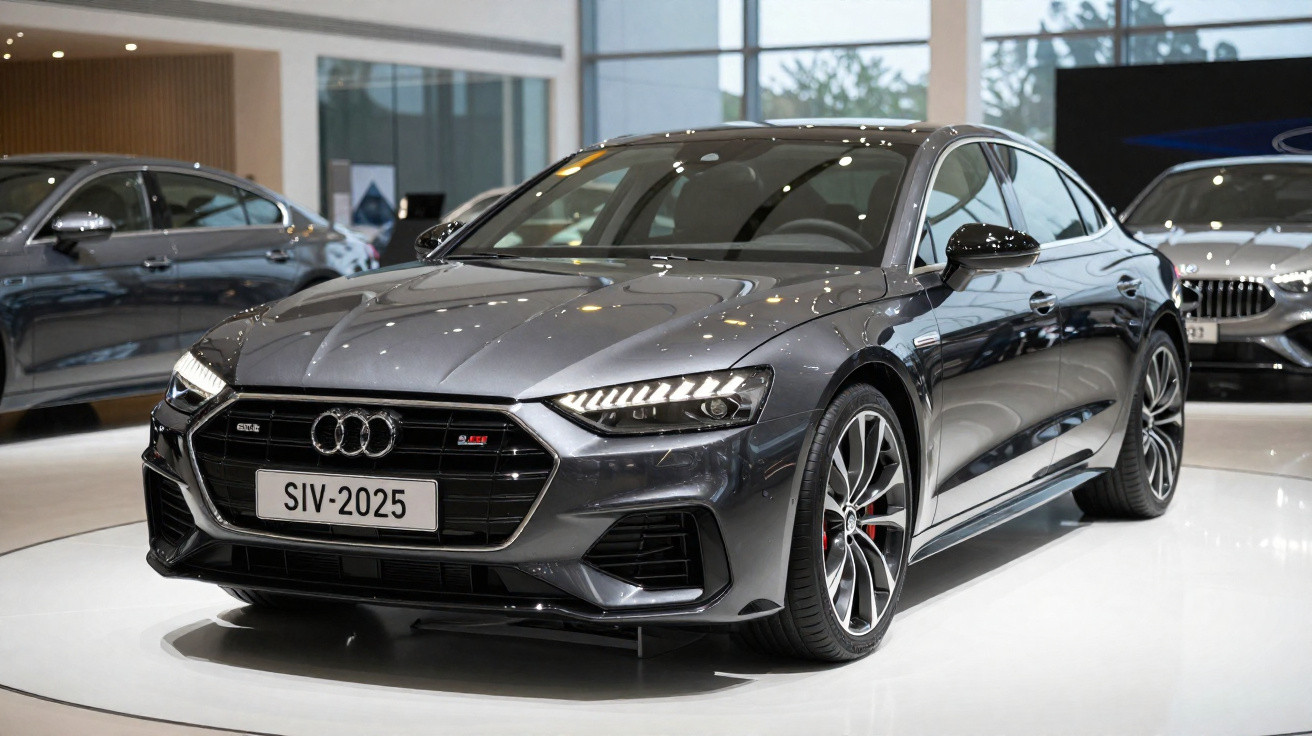
A major reform has taken effect immediately.
Vehicle registration: tighter access to the SIV
If you need to register your car, be aware that the process has undergone a significant change. Since 1 August, the Ministry of the Interior has revised the terms for accessing the Vehicle Registration System (SIV). The measure follows warnings from the Court of Auditors, which identified roughly €550 million in lost tax revenue between 2022 and 2024, according to Ouest-France.
The new registration system introduced in 2017, which led to the closure of vehicle-registration counters in prefectures, transferred this work to private providers using the Vehicle Registration System (SIV). Although the aim was to streamline the process and cut costs, fraud has become so widespread that the State is clearly no longer benefiting from it.
According to the newspaper, insufficient oversight encouraged some fraudsters to set up shell companies that completely misuse the system. There are reportedly several hundred fictitious businesses posing as garages in order to obtain SIV access and issue registration certificates.
From 1 August, SIV access agreements are therefore no longer renewed automatically, the regional newspaper explains. In practical terms, professionals must now complete renewal procedures. To gain access, they will need to prove that they have worked in the motor industry for three years and meet a minimum annual volume of transactions in order to retain this authorisation.
Secure records required for registrations
These companies must also have a secure storage area for keeping supporting documents linked to registrations. This modernisation will not be completed this summer, as it is set to continue into 2027. Nevertheless, the new requirements imposed on professionals may make the process longer for members of the public.
Driving licence restrictions
It is also worth remembering that, following Parliament's adoption of the RIPOST Act, newly qualified drivers are prohibited from driving “a powerful car”. According to those who support the measure, it is intended to address the tragic accidents involving certain high-performance cars owned by young motorists.
The law now prohibits anyone from assigning, making available or hiring out “a powerful car” to a driver during the probationary period of their driving licence. The rule also applies where that motorist holds a valid licence. Anyone who breaches it faces a €15,000 penalty and one year in prison.
For now, however, the provision remains unclear. This is because the maximum permitted power has yet to be defined. It will be set out when a decree due next autumn is published. Further details are available in our previous article here.

Comments
No comments yet. Be the first to comment!
Leave a Comment